
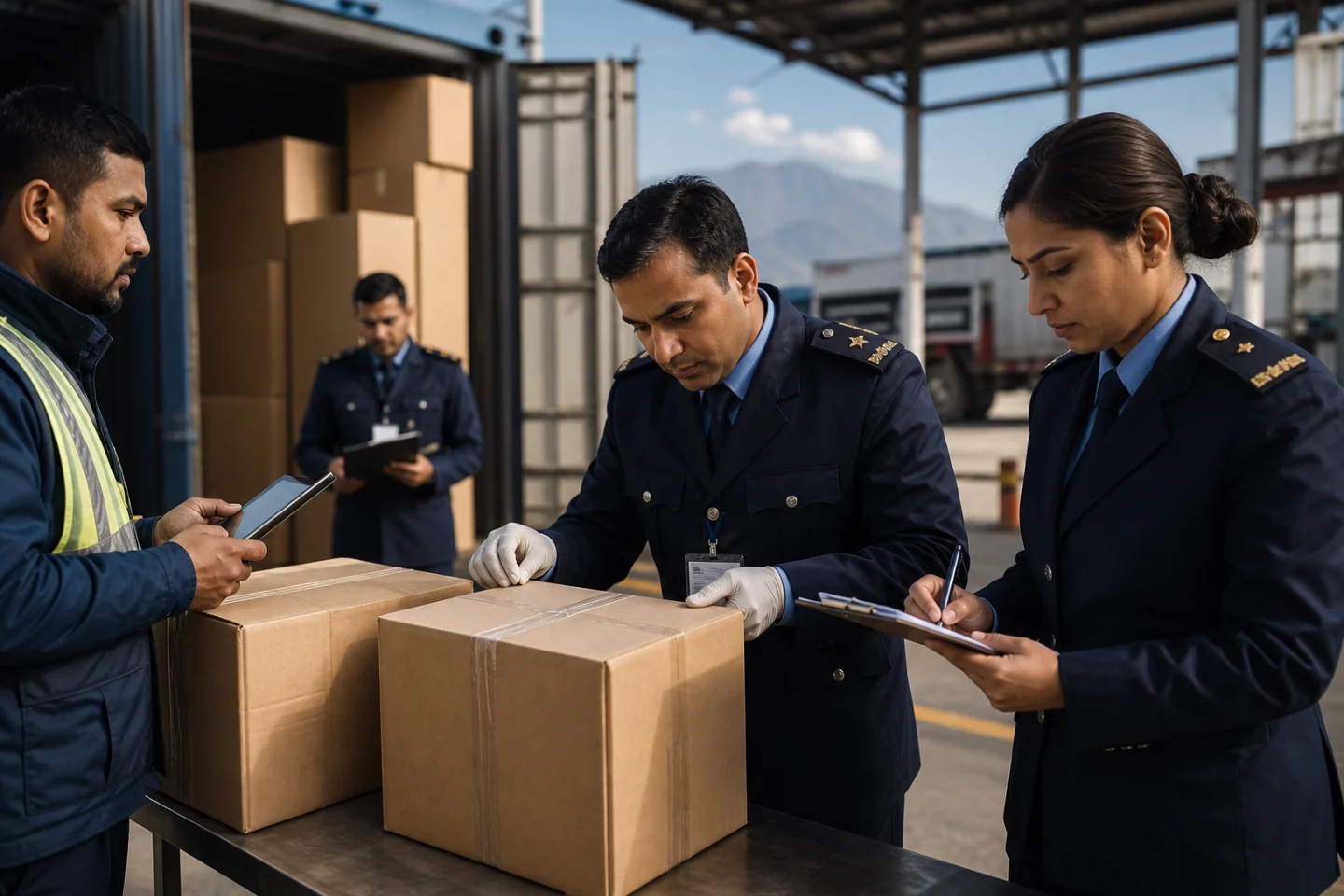
The border is the most cost-effective point to stop counterfeit goods: a single interception can prevent an entire shipment from reaching distributors, retailers and consumers, at a fraction of the cost of pursuing each downstream seller individually.
We work with rights holders under the Customs Act, 2007 to notify customs authorities of registered trademarks and other rights, provide the documentation and product information officers need to identify counterfeit consignments, and act quickly once a shipment is flagged or seized.
This work runs alongside our anti-counterfeiting and enforcement practice: a strong customs position depends on a clean, current trademark registration and clear evidence of what a genuine product looks like.